February 21, 2025고복희0018
Joseon Gaedari Soban (Gujokban) — Round Dog-Leg Table, Chungju Type
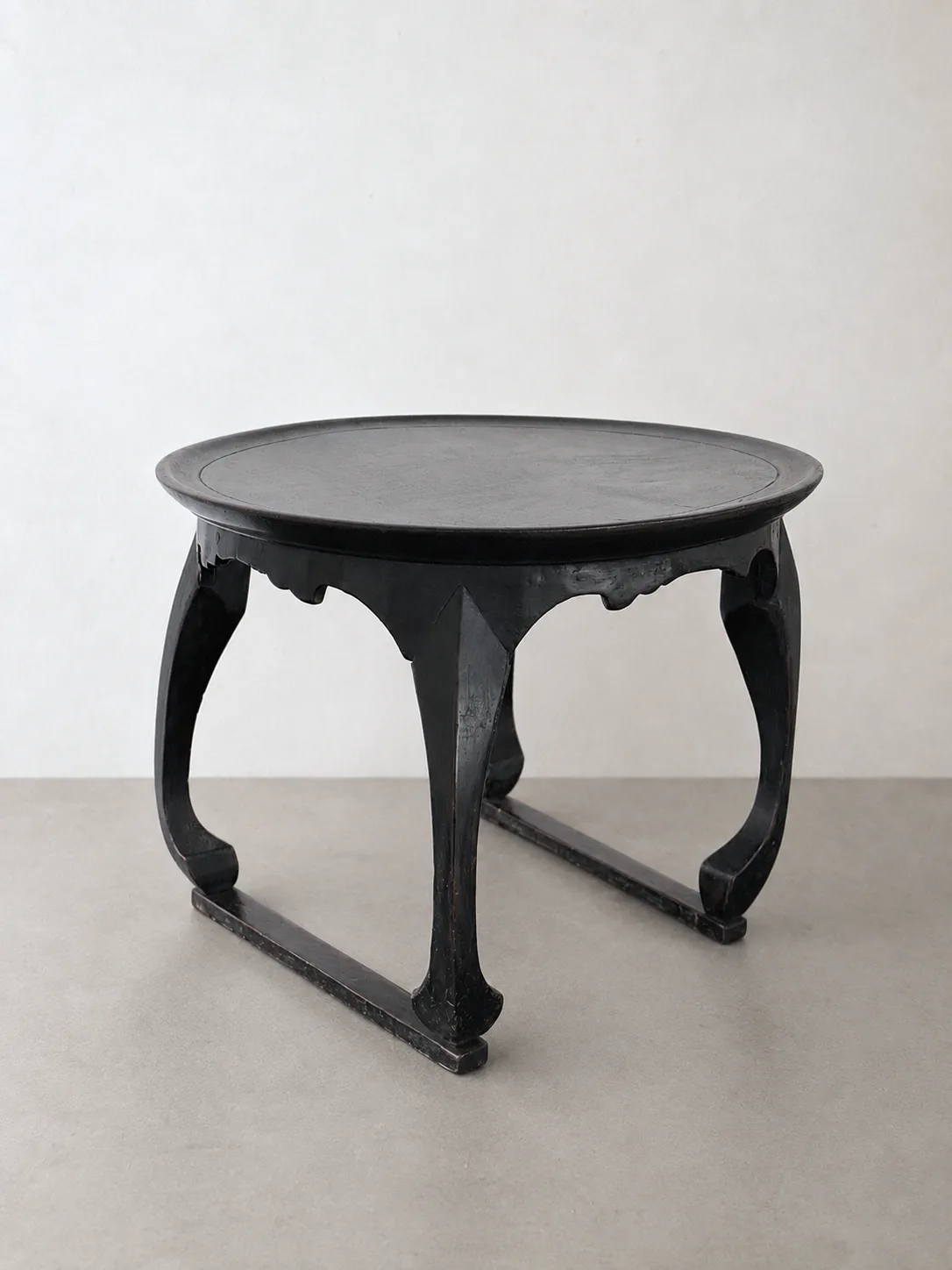
A gaedari soban — “dog-leg table,” gujokban (狗足盤) in Sino-Korean — from the late Joseon dynasty. Four legs gently curved like a dog’s hind legs carry the round top, joined near the floor by stretchers. Tables of this type were widely made around Chungju, earning the name Chungju-ban. The black lacquer survives evenly across the piece.
A shallow lip runs around the edge of the top, and curved apron pieces sit at the shoulders of the legs. The dog-leg curve is unassuming and practical rather than showy, preserving the composed proportions typical of the soban. It was the piece of furniture closest to daily life in Joseon households; without ornament, its proportions and curves are its beauty.
Soban styles differed by region — Naju-ban, Haeju-ban, Tongyeong-ban — each named for its place of making. The Chungju-ban is the regional style known for this dog-leg form.
Gujokban in the Museum Collection
Searching “gujokban” in the National Museum of Korea’s collection turns up round and square examples alike; comparing the leg curves is a quiet pleasure.
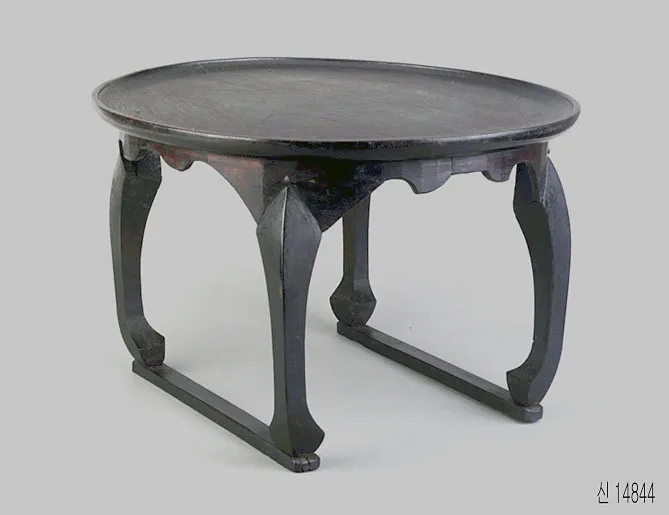 Gujokban · National Museum of Korea
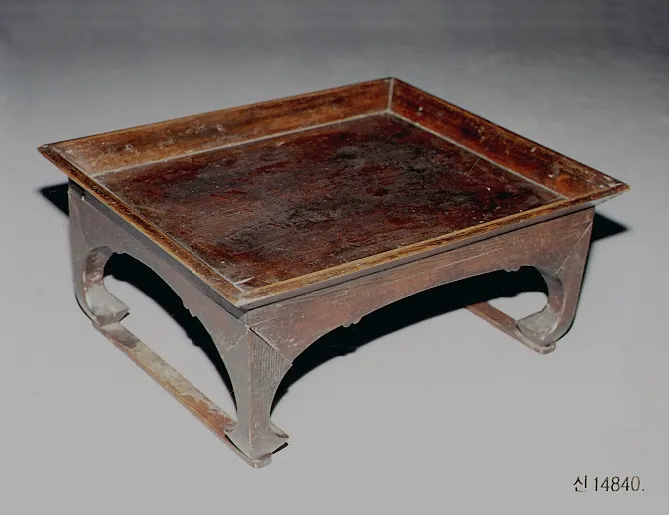 Gujokban · National Museum of Korea
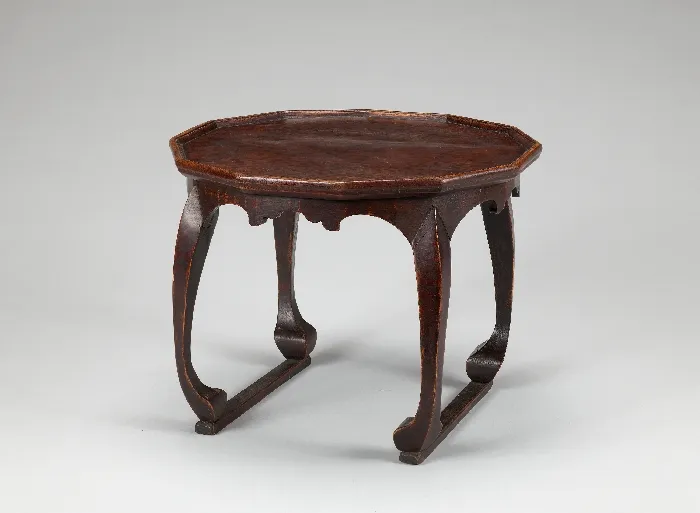 Gujokban · National Museum of Korea
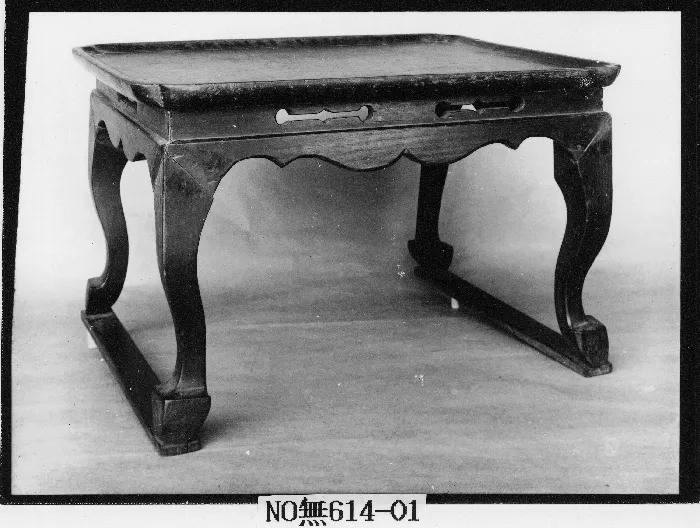 Square Gujokban · National Museum of Korea
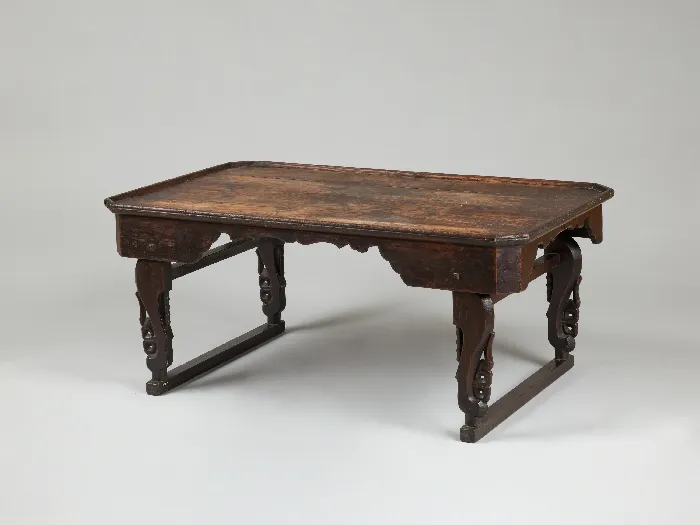 Square Gujokban · National Museum of Korea
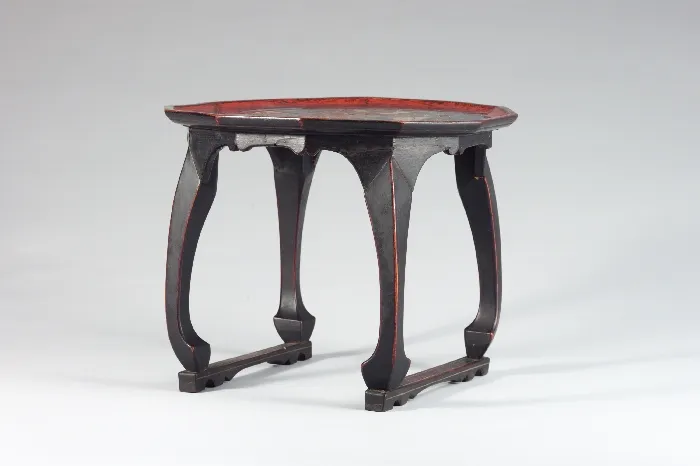 Dog-Leg Soban · National Museum of Korea
Reference images: National Museum of Korea collection search for “gujokban” (museum.go.kr) — click an image to open the search results.
In a home today it serves well as a tea table or side table. Beside a sofa or a bed, the low height leaves a comfortable margin of space.
Specifications
- Period
- Late Joseon, 19th Century
- Materials
- Wood with Black Lacquer
- Use
- Soban — small dining or tea table
- Form & details
- Round top on four dog-shaped legs joined by stretchers — Chungju type
- Accession no.
- 고복희0018
Styling notes
Side table by a sofa, tea table, bedside stand
Related
Related